 English
English
English


Interesting Explanation of the "Four Flames" in Heat Treatment: Annealing, Normalizing, Quenching, and Tempering
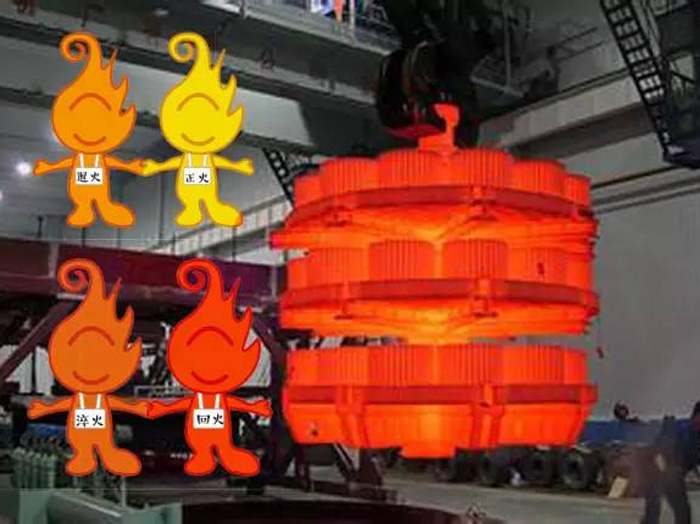
Today, let's talk about their differences:
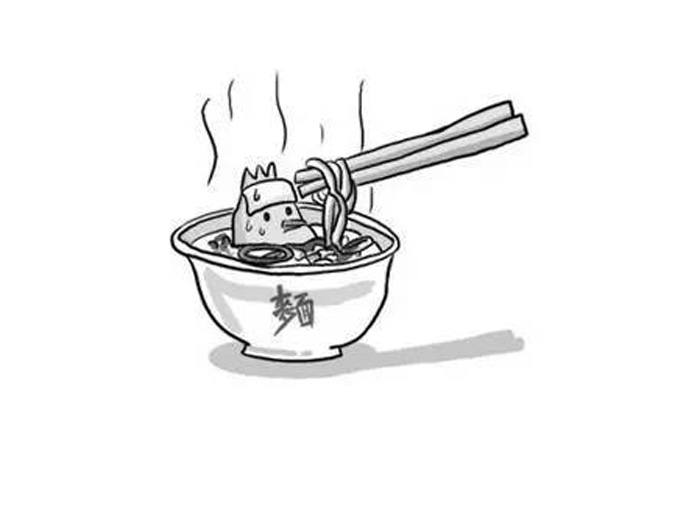
Annealing is the process of slowly heating a metal to a certain temperature, holding it for a period of time, and then slowly cooling it to room temperature. Think about it, you cooked a bowl of noodles but they were too hot, so you need to put them aside and let them cool before eating. Annealing is the same principle.
Normalization is a heat treatment process in which metal is heated to 30-50 ℃ above the critical temperature, held for an appropriate period of time, and then cooled in air——
However, the cooling rate of normalizing is slightly faster and the production cycle is shorter because normalizing cools down in this way:
↓↓↓
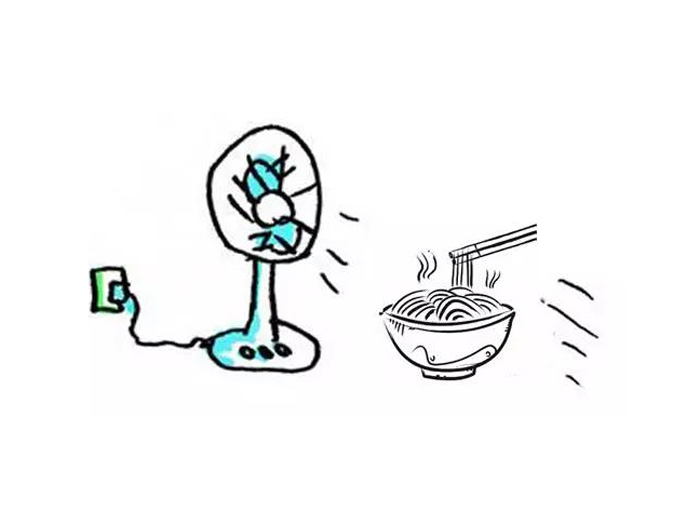
Often, noodles can be eaten faster, which means products can be obtained faster. Therefore, when annealing and normalizing can meet the performance requirements of parts, it is advisable to choose normalizing as much as possible.
If annealing and normalizing are brothers, then quenching and tempering are inseparable companions.
Quenching is the process of heating a metal above its critical point, at which point the internal structure and state of the metal undergo a change - austenitization. We need to maintain the temperature for a certain period of time to allow the metal to undergo this change, and then cool it at a rate greater than the critical cooling rate to obtain a metastable martensitic or lower bainitic structure. This rapid cooling method usually goes like this:
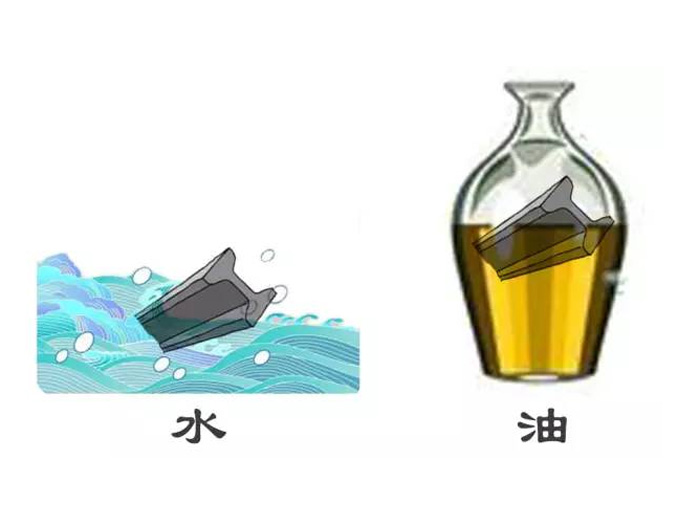
After quenching, a martensitic structure is obtained, but the internal structure of this structure is extremely unbalanced.
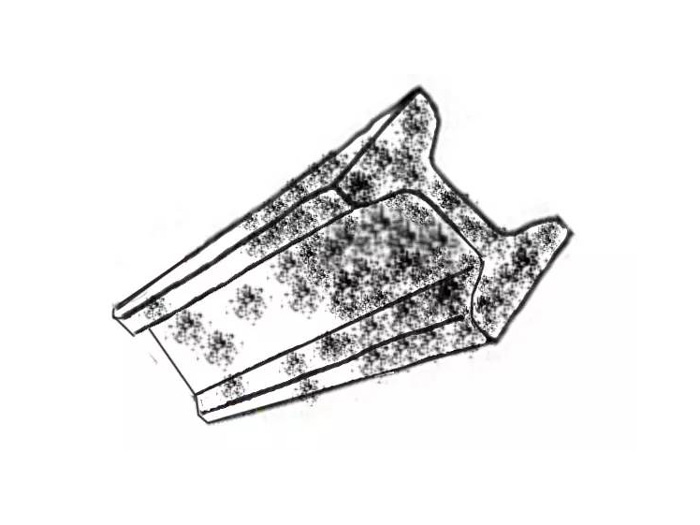
Although it has high hardness, it has poor plasticity, toughness, and high brittleness. Therefore, quenched metal will not be used as finished products before leaving the factory. After all, manufacturers are not foolish. This kind of metal, which cannot be processed again and is more brittle than the iPhone 6s screen, no one would want it.

So, the effect of tempering is reflected! After the metal is quenched and hardened, it is heated to a temperature below the critical temperature, held for a period of time to allow the internal structure of the metal to be evenly distributed, and then cooled to room temperature to obtain a finished product with both strength, hardness, plasticity, and toughness.
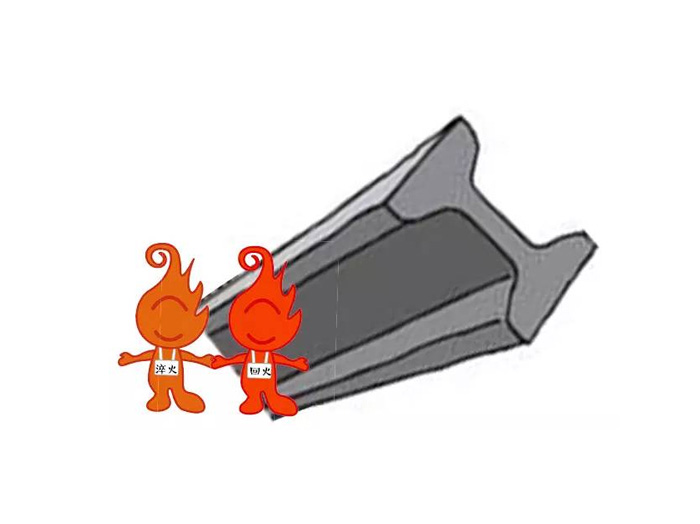
This is a perfect example of 1+1>2!
Having said so much about the differences between annealing, normalizing, quenching, and tempering, that's about it. So, in fact, "quenching" and "tempering" can make the surface also crisp and crisp~

(Source: Mechanical Engineer)


